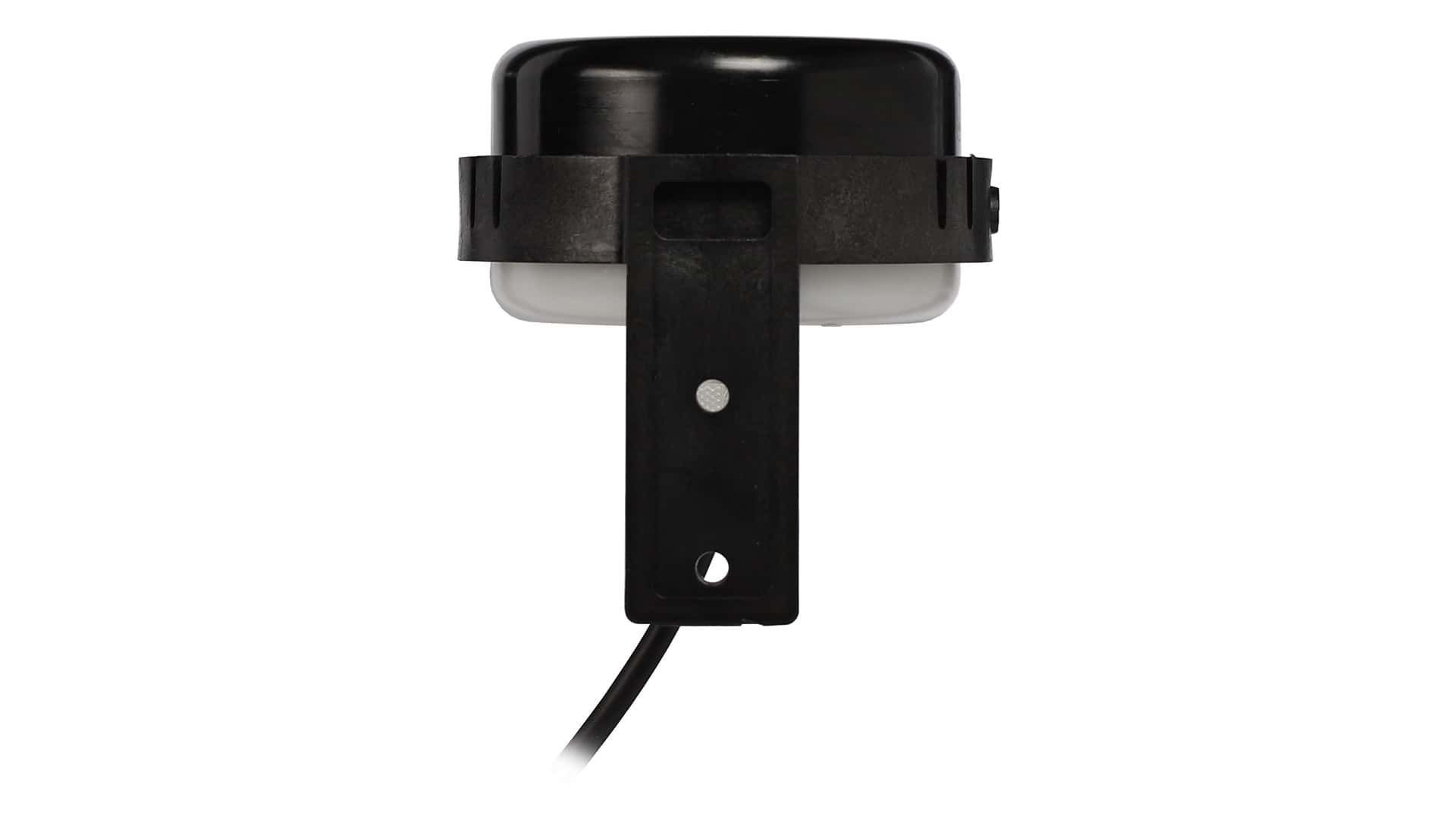




Multi GNSS Time Code Receiver - GNSS 4500
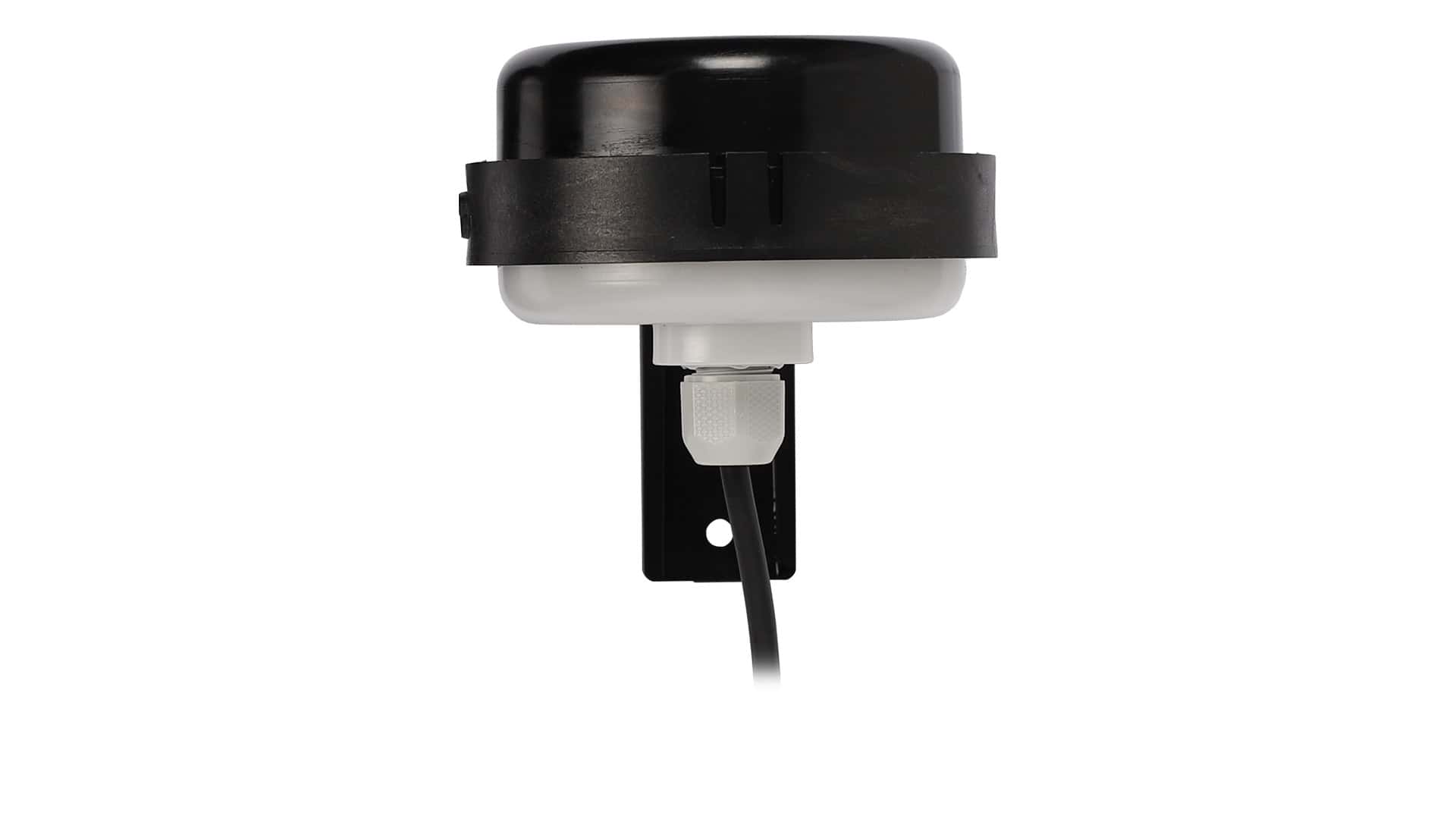
Multi GNSS Time Code Receiver - GNSS 4500
New generation of multi-satellite time signal receivers – GNSS 4500 is designed as an all-in-one device, i.e. antenna and receiver module are both located in the high-quality outdoor housing (IP 65).
Main function:
- The GNSS 4500 is designed to be a synchronization source for master clocks and time servers
Time signals inputs:
- GPS, GLONASS, BeiDou, Galileo
Time signals outputs:
- UTC or CET, DCF coded
Time signal accuracy:
- Better +/- 5 µs
Power supply:
- 12 – 36 VDC / < 0.4 W
Cable:
- Standard cable length: 10m
- up to 200m, UV-protected, 4 wires, 0.25 mm2 (AWG 23)
longer cable possible with higher cross-section (up to 1mm2)
Features:
- 72 channel satellite tracking, min. 3 satellites required
Leaflets
 Leaflet EN.pdf
Manuals
GPS is one specific satellite navigation system, while GNSS is the general term for all global navigation satellite systems. GNSS can include GPS, Galileo, GLONASS, BeiDou and other systems. For time synchronization, GNSS can improve availability because the receiver may use signals from more than one satellite constellation.
A time server does not always need GPS or GNSS, but GNSS is commonly used when an independent and highly accurate external time source is required. A GNSS-based time server can provide time to a local network without relying on public internet time sources.
If the GNSS signal is lost, a time server can continue operating in holdover mode. During holdover, the internal oscillator maintains the time as accurately as possible until the external signal is available again.